Skip to content

In silico insights for implantable devices

Your device.
A world of difference.

  1. Every patient brings a different anatomy.
  2. There’s a population of possibilities.
  3. Examine your device across those differences.
  4. Investigate how the response changes.
  5. Bring a broader understanding to your next decision.

Illustrative population and simulated responses.

Why trust it

Evidence built to be trusted.

We show what was tested, against which reference, and for which question.

Checked against clinical data

Virtual populations are validated against real patient data under clinical oversight.

Each study documents its data provenance, assumptions, validation and uncertainty. Clinical advisors review whether study results make clinical sense.

Credible for a stated question

Credibility is judged for a specific question. A model that is credible for sizing is not automatically credible for every other question.

Model credibility is assessed with the risk-informed principles of ASME V&V 40, on which FDA’s 2023 guidance builds. That supports a regulatory conversation; it is not regulatory approval.

How it works

Start with the question. Explore the variation.

Share your device design and the question. We deliver decision-ready insights. We support in-house simulations teams as well as those new to this space.

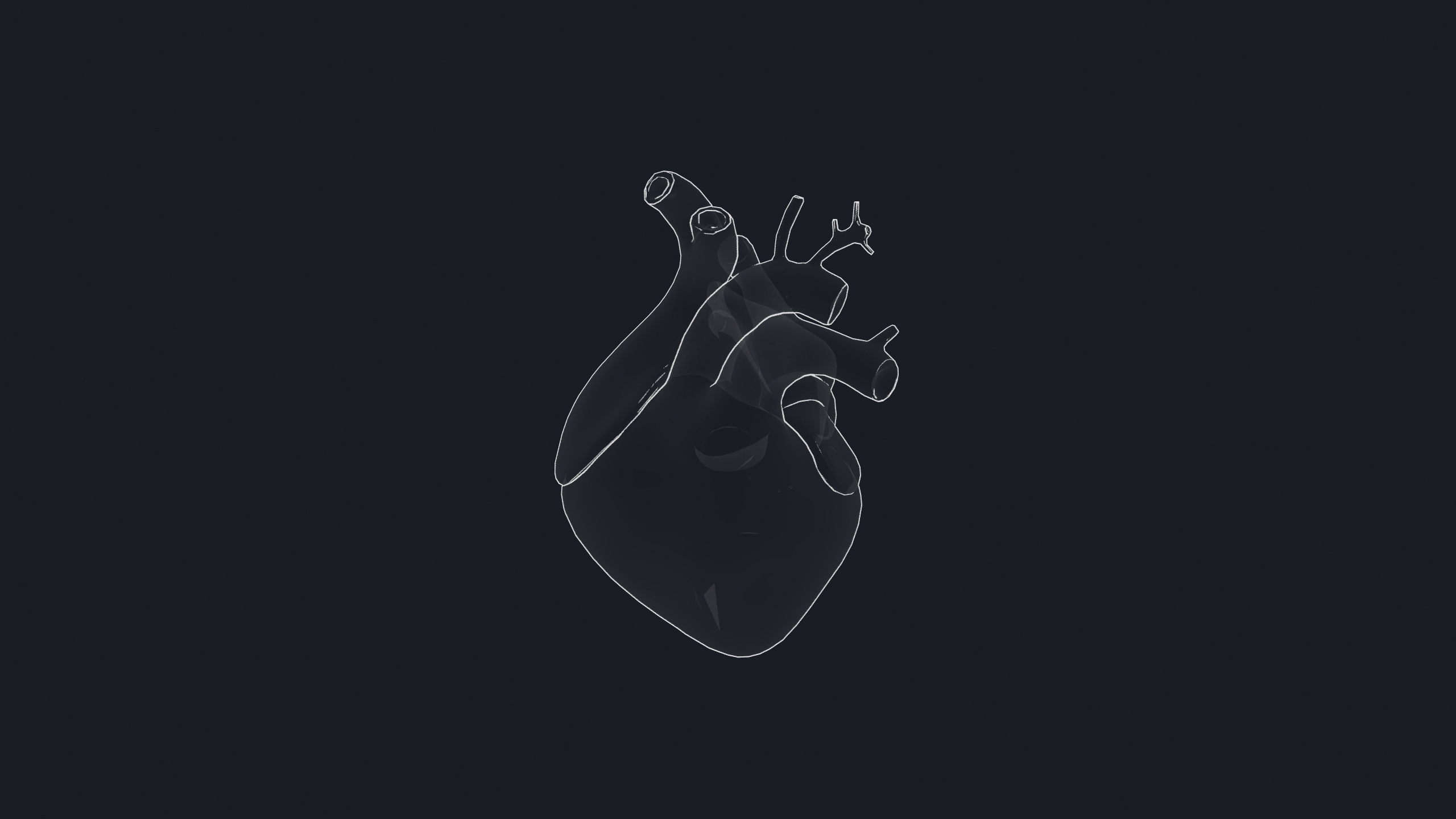
Film: the supplied vessel anatomy, rotating slowly.
Film: six supplied neurovascular anatomies, rotating in a grid.
Film: the supplied vessel anatomy before and then after the implant, each shown for six seconds as the model turns. Flow motion is illustrative.
Supplied vessel anatomy.Six supplied neurovascular anatomies.Supplied pre-implant and post-implant paths. Flow motion is illustrative.
Film: the supplied vessel anatomy, rotating slowly.
Supplied vessel anatomy.
01

Define the anatomy and the question.

We agree the decision you face, the relevant anatomy and what the study needs to investigate.

  • We propose the population, the simulations and the outputs that would answer your question, with a timeline.
  • We work with structural heart and neurovascular device makers, especially teams approaching feasibility and pivotal decisions.
Film: six supplied neurovascular anatomies, rotating in a grid.
Six supplied neurovascular anatomies.
02

See the patients trials miss.

We build virtual populations spanning sex, age, ethnicity, anatomy and disease severity, including rare anatomies and edge cases relevant to your device.

  • Our Virtual Chimera™ technology generates virtual patients that are fully synthetic, built from anonymised clinical imaging. These patients never existed; no real patient is exposed.
  • AI generates each virtual patient's anatomy. Physics-based simulation assesses device behaviour. Each stage is documented and traceable.
Film: the supplied vessel anatomy before and then after the implant, each shown for six seconds as the model turns. Flow motion is illustrative.
Supplied pre-implant and post-implant paths. Flow motion is illustrative.
03

Turn device responses into decisions.

We run physics-based simulations across the population, review the results with clinicians and deliver insights on design, sizing and patient selection.

  • A readout of which sizes, anatomies and patient groups perform well, where risk concentrates and where uncertainty remains.
  • Findings, validation results and documented uncertainty, framed for leadership, clinical and regulatory decisions.

The science in view

A closer look at the science.

Population variation

Virtual Chimera™ patients side-by-side, as examples of how cardiac anatomy varies between patients.

Inside the anatomy

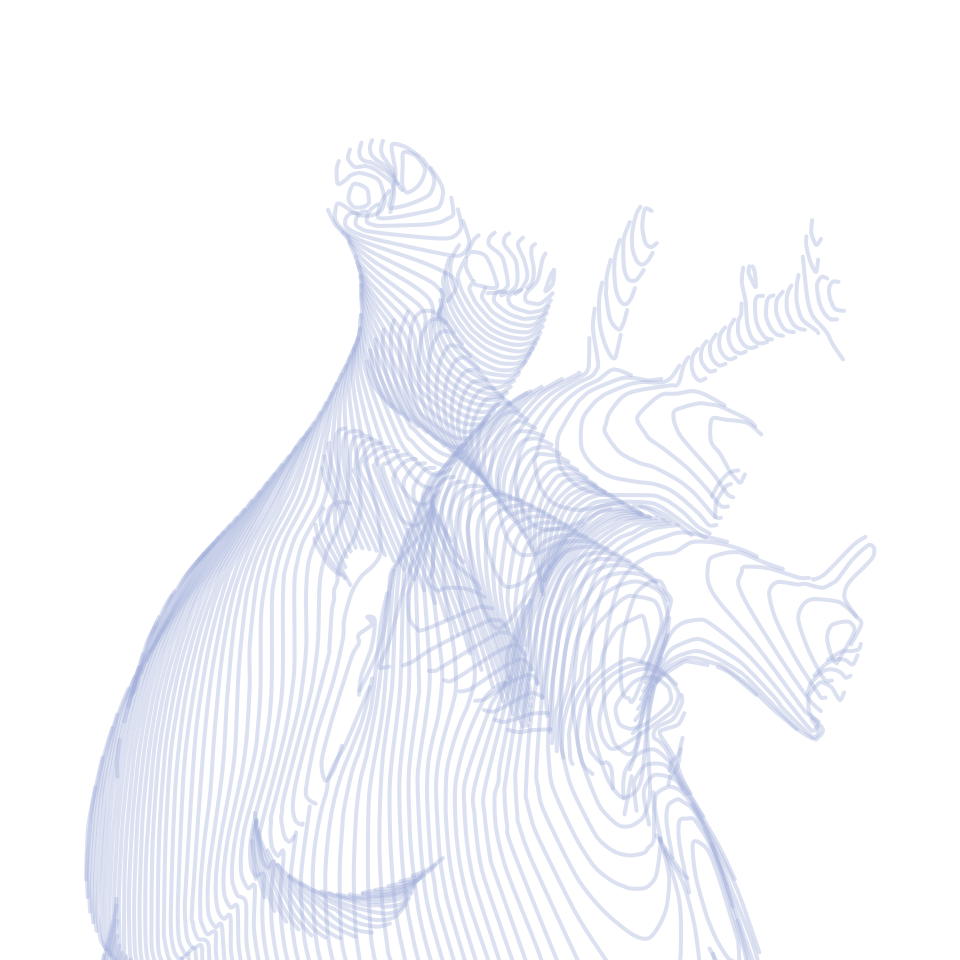
A cutaway through the heart wall shows the chambers and internal structure, with modelled cardiac motion.

Neurovascular simulation

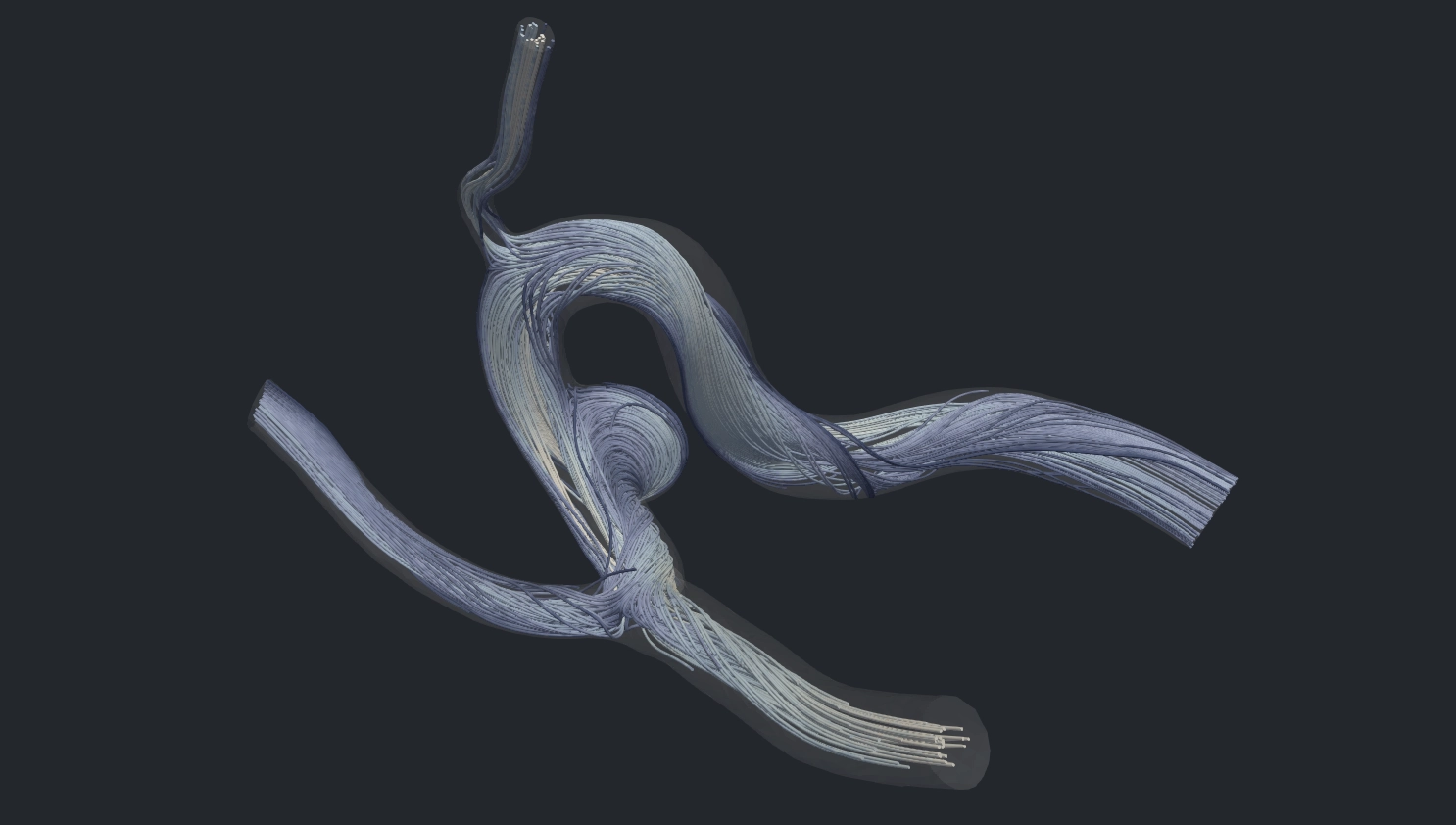
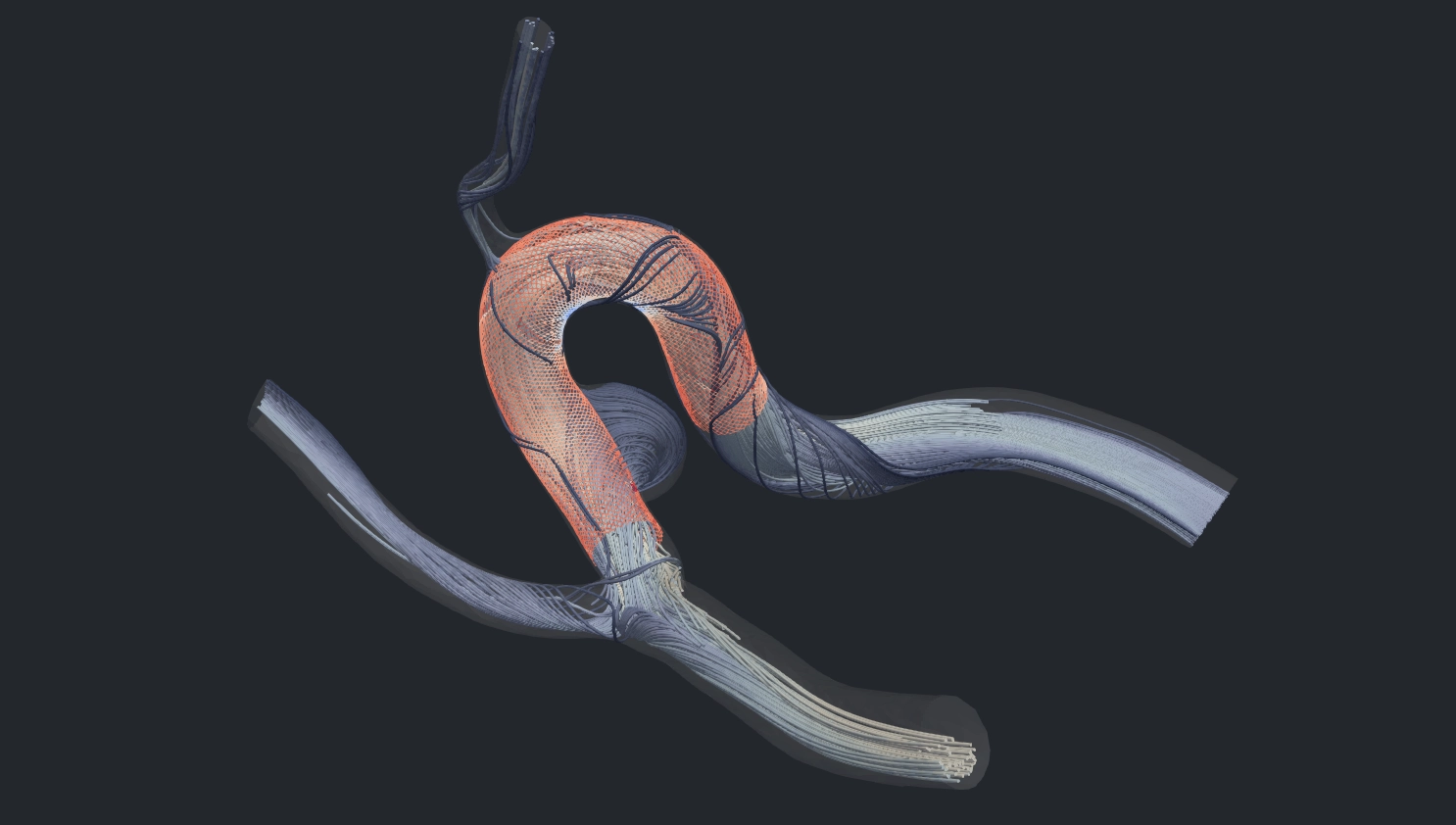
Simulating the same virtual patient before and after implant placement allows us to examine how the device changes flow within the aneurysm.

‍In this example, the simulation showed 66% lower mean blood-flow velocity within the aneurysm after implant placement, compared with the pre-implant model.

Pre-implant flow

Pre-implant flow in a virtual patient: simulated pathlines through the vessel and aneurysm.

Post-implant flow

Post-implant flow in the same virtual patient: simulated pathlines through the vessel and aneurysm with the implant in place.

Team

Built on science. Guided by clinicians.

Built on more than 15 years of academic research, adsilico brings computational scientists, device specialists and clinical advisors together. Clinical oversight keeps our work grounded in the patients clinicians treat and the decisions device makers face.

Our mission is to make device testing safer, faster and equitable, using virtual patients that reflect all populations.

  • More than 15 years of academic research.

  • Founded in 2024 by Sheena Macpherson, Dr Nishant Ravikumar, Dr Zeike Taylor and Professor Alejandro Frangi.

  • Backed by PXN, Northern Gritstone and Parkwalk.

Leadership

  • Sheena Macpherson

    Sheena Macpherson

    Co-Founder, Chief Executive Officer

  • Dr Anthony Holmes

    Dr Anthony Holmes

    Chief Product Officer

  • Dr Nishant Ravikumar

    Dr Nishant Ravikumar

    Co-Founder, Head of Virtual Populations

  • Dr Zeike Taylor

    Dr Zeike Taylor

    Co-Founder, Head of Simulations

  • Beckie Bown

    Beckie Bown

    Chief Financial Officer

Chair

  • Chris Richardson

    Chris Richardson

    Chair. More than 35 years in medical devices, with exits including to Abbott.

Clinical advisors

  • Dr Stuart Grant

    Dr Stuart Grant

    Cardiothoracic surgery, Manchester University NHS Foundation Trust

  • Professor Dan Blackman

    Professor Dan Blackman

    Interventional cardiology, Leeds Teaching Hospitals NHS Trust

  • Dr Hamed Nejadhamzeegilani

    Dr Hamed Nejadhamzeegilani

    Neuroradiology, Leeds Teaching Hospitals NHS Trust

Work with us

What could you learn about your device?

Tell us about the device and the decision ahead.